
How Visual Design Influences the Car-Buying Decision
Thought Leadership by Thomas Langford
When people start thinking about buying a car, the decision rarely begins with horsepower figures or fuel economy statistics.
Instead, it begins with perception.
Long before someone reads a specification sheet or schedules a test drive, they’ve already formed an opinion about the vehicle in front of them. The shape, stance and visual presence of a car often determine whether a buyer wants to learn more in the first place.
In the automotive industry, visual design plays a powerful role in influencing the car-buying decision. It is not simply about aesthetics — it is about how a vehicle communicates its purpose, capability and personality before a single word is read.
First Impressions Matter When Buying a Car

Most consumers don’t analyse vehicle design in technical terms, but they respond to it instinctively. Proportion, stance, colour, balance and visual emphasis all signal something about the vehicle’s capability and character.
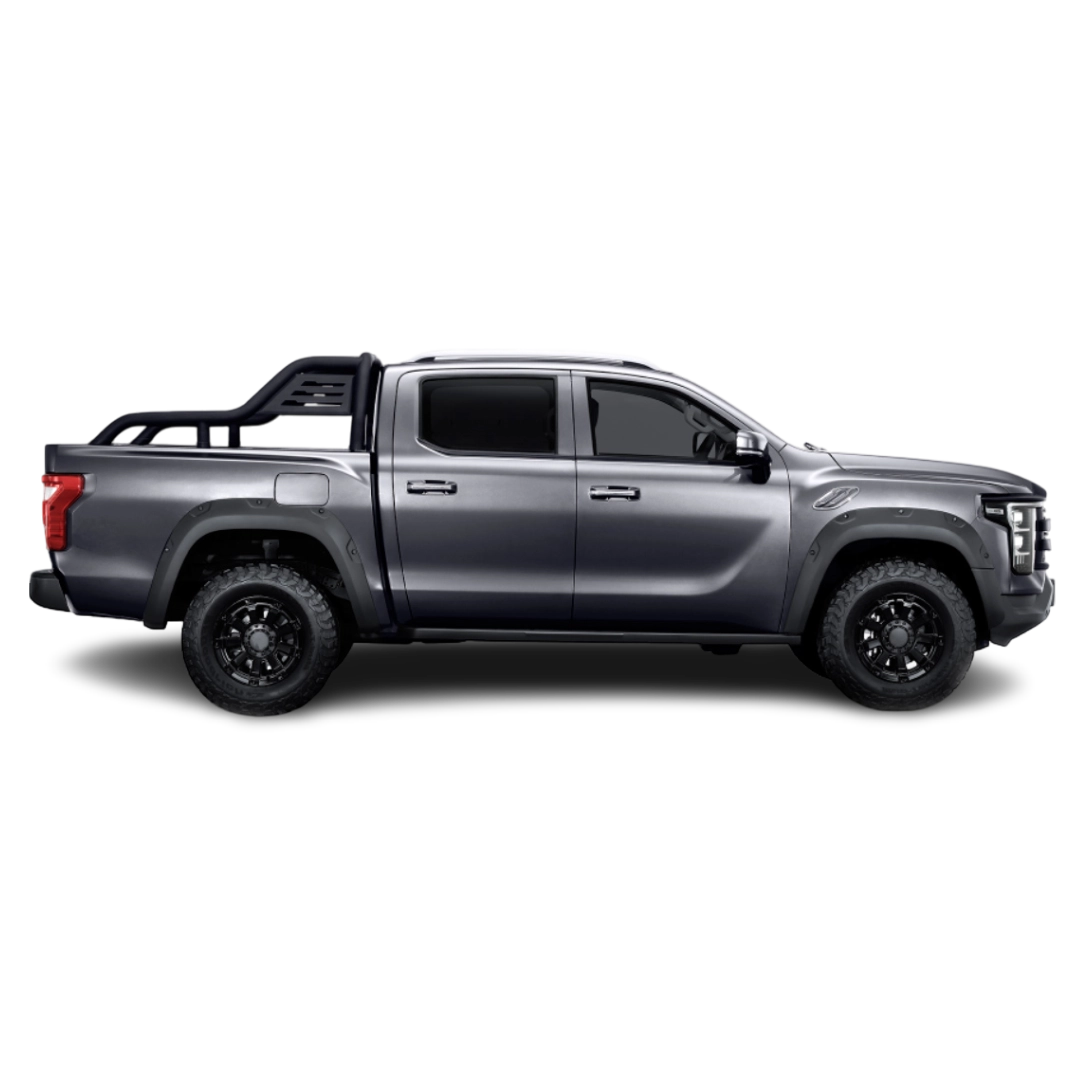
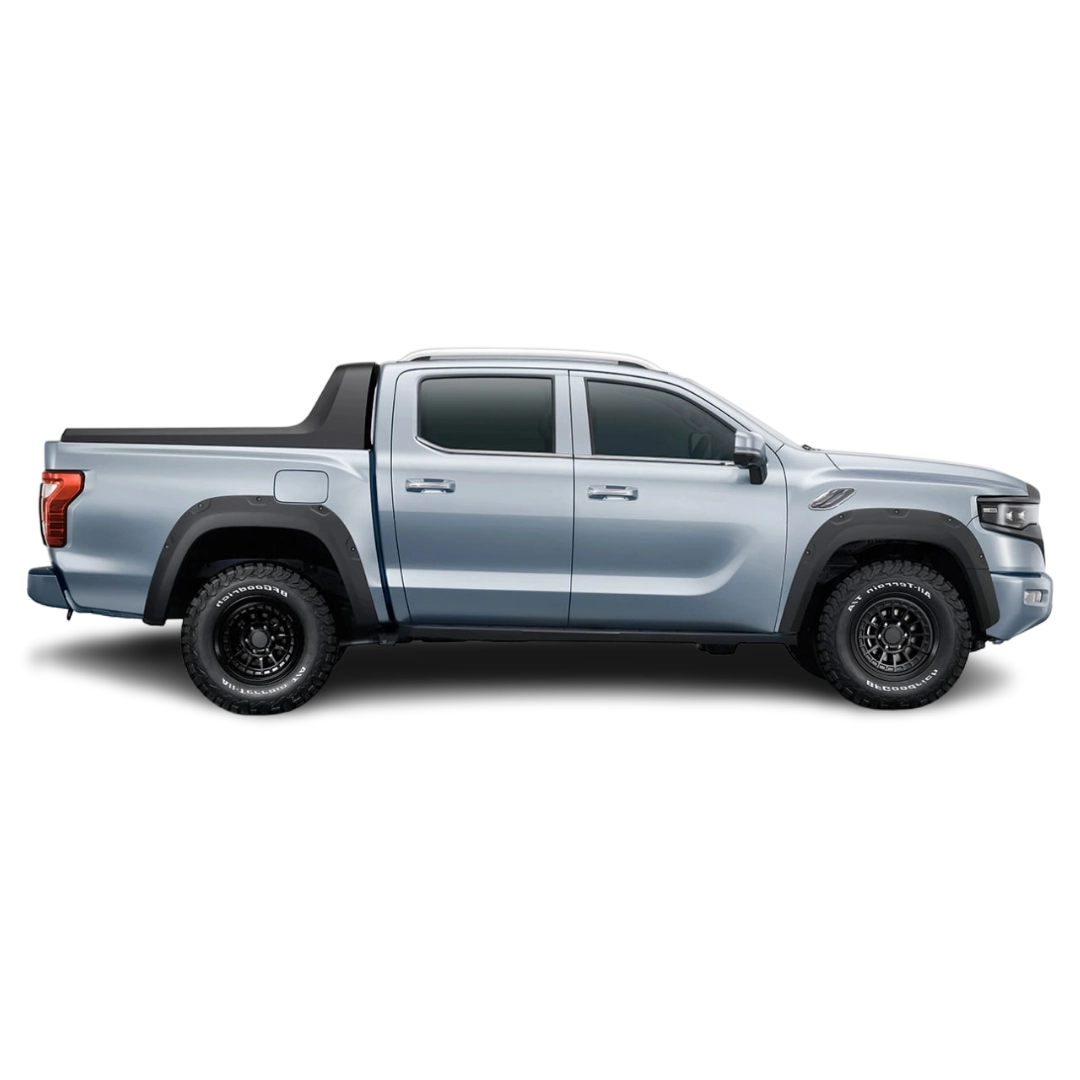
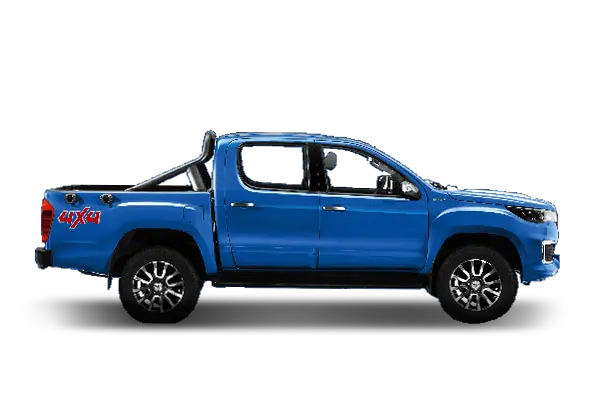
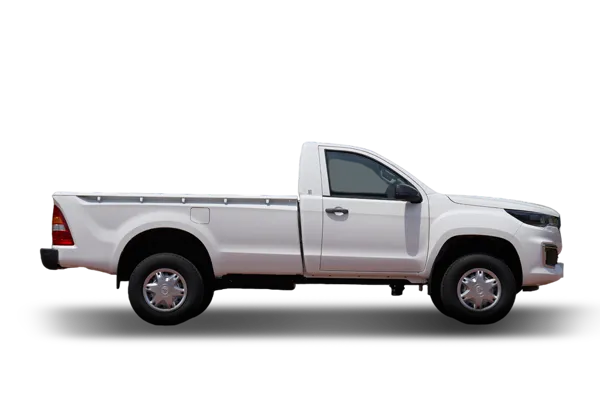
Take the double cab segment as an example. Buyers may never say they are looking for “stability” or “strength” in design language, but they recognise those qualities immediately.
A wider stance, pronounced fenders, strong shoulder lines and higher ground clearance communicate durability and versatility before any technical specifications are considered.
Good automotive design directs attention. It guides the eye, builds visual hierarchy and reinforces confidence in the product. When design is executed well, it reduces doubt and allows buyers to feel certain about what they are seeing.
Why Context Matters in Automotive Marketing
Visual design extends beyond the vehicle itself. The environment surrounding the car plays an equally important role in shaping perception.
Imagine a compact city hatchback photographed on a rugged mine site. The image feels out of place. Now place that same car outside a university campus or on a busy urban street — suddenly the setting makes sense.
This alignment between the vehicle and its environment allows potential buyers to imagine how the car fits into their own lives.
Every buyer asks a simple but powerful question when considering a new vehicle:
“Does this car fit my lifestyle?”
When the product and the context communicate the same message, desirability increases.
The Link Between Design and the Customer Journey

While visual design often sparks the initial interest in a vehicle, the buying experience must reinforce that first impression.
A beautifully designed car can quickly lose appeal if the buying process feels confusing or slow. Consumers interpret friction in the purchase journey as risk.
This is why design thinking extends beyond the vehicle itself. Clean website layouts, clear communication, consistent branding and simplified enquiry processes all contribute to building trust.
The most successful automotive brands ensure that the entire customer experience — from first impression to purchase — feels thoughtfully designed.
Show Ownership, Don’t Just Describe It
One of the most effective roles of visual design is helping buyers imagine ownership.
When someone can picture themselves driving the vehicle, loading it for work, parking it outside their home or arriving confidently at a meeting, the emotional connection to the vehicle begins to form.
Specifications and technical details may reinforce the decision later, but imagery often creates the initial desire.
In this way, design becomes the silent architect of confidence in the car-buying process.
Why Vehicle Design Matters More Than Ever

In the automotive industry, design is far more than an aesthetic exercise. It is the first interaction between a product and its future owner.
The brands that understand this recognise that perception often comes before logic when buying a car. Strong visual design creates relevance, builds trust and shapes how customers feel about a vehicle long before they step into a dealership.
Ultimately, visual design does more than make a vehicle attractive.
It shapes belief — and belief often drives the car-buying decision.