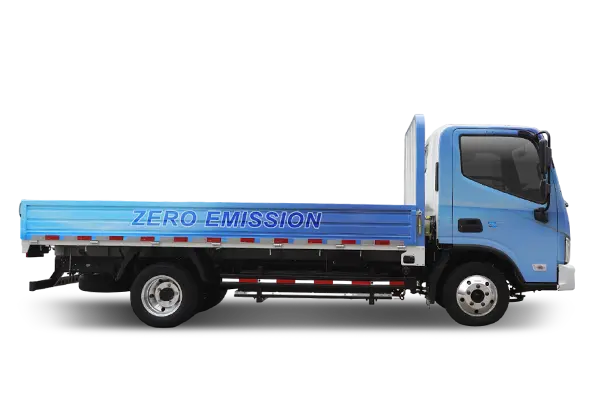

Affordable Double Cabs in South Africa: Do You Really Need a R1 Million Bakkie?
Written by Foton South Africa
Over the past few years, South African motorists have watched double cab bakkie prices climb to unprecedented levels.
What was once considered a practical vehicle for work, family life and adventure has, in many cases, become a premium purchase. Today, it is not uncommon to see flagship double cab models priced at R1 million or more, raising an important question for buyers across the country:
Do you really need to spend that much on a bakkie?
For many South Africans, the answer may be no.
As vehicle prices continue to rise and economic pressures place greater strain on household and business budgets, buyers are increasingly focusing on affordability, value and total cost of ownership rather than simply chasing the most expensive vehicle on the showroom floor.
Why Are Bakkie Prices Increasing in South Africa?
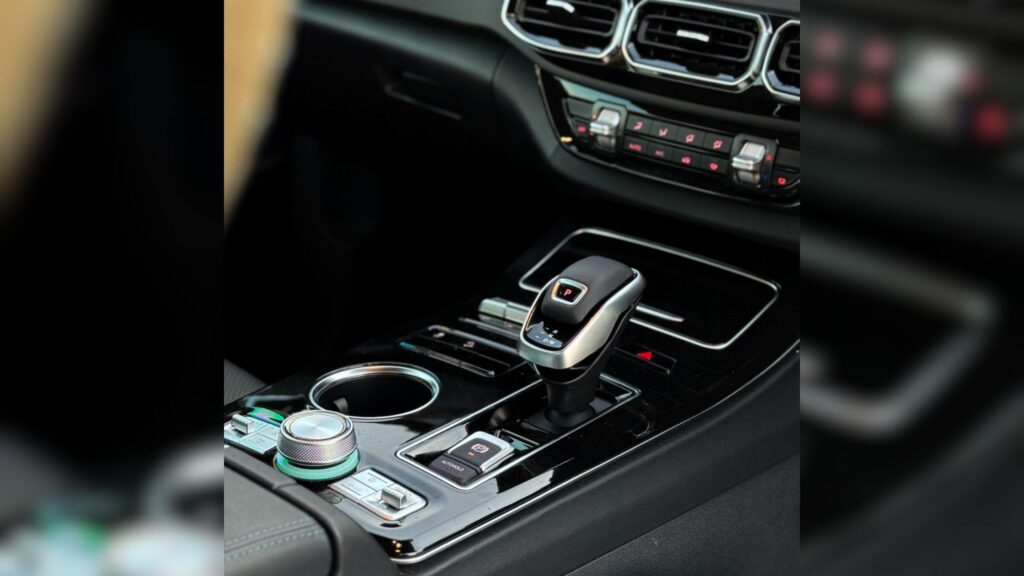
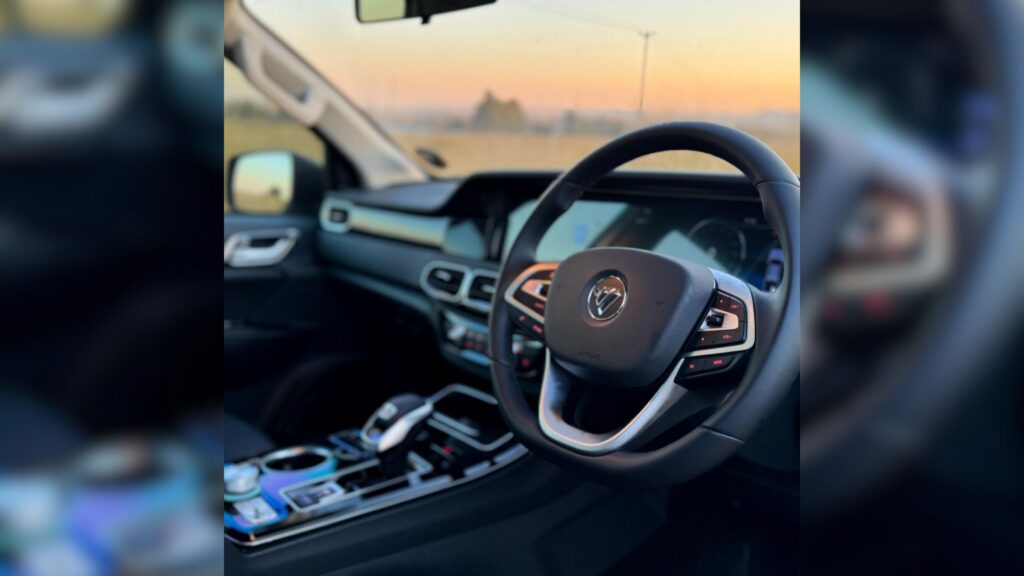
The South African bakkie market has evolved significantly over the past decade.
Modern double cabs offer levels of comfort, technology and safety that were once reserved for luxury SUVs. Features such as leather interiors, large infotainment screens, advanced driver assistance systems, wireless charging and premium trim packages have become increasingly common.
While these additions improve the driving experience, they also contribute to rising vehicle prices.
Factors such as exchange rate fluctuations, inflation, manufacturing costs, stricter emissions regulations and increasing technology requirements have all played a role in pushing prices higher.
As a result, many buyers are finding themselves asking whether they need every premium feature available, or whether a more practical and affordable double cab can deliver everything they actually require.
The True Cost of Owning a Double Cab Bakkie
When purchasing a vehicle, the price on the windscreen is only part of the equation.
The real cost of ownership includes monthly finance repayments, insurance premiums, fuel costs, servicing and maintenance, and depreciation of course.
These expenses can add up significantly over the lifespan of a vehicle.
For small business owners, fleet operators and families alike, managing operating costs has become just as important as choosing the right vehicle.
A more affordable bakkie can often deliver substantial savings over time while still providing the capability and reliability required for everyday use.
What Do South African Bakkie Buyers Actually Need?
South Africans love bakkies for good reason. They are versatile, capable and well suited to local conditions. However, many buyers may not be using their vehicles in the way marketing campaigns often suggest.
Most owners are not towing heavy trailers every weekend, not regularly tackling extreme off-road terrain, and not making use of every luxury feature found in top-specification models.
Instead, their vehicles are used for daily commuting, school runs, business travel, visiting clients, carrying tools and equipment, weekend activities, and maybe, the occasional towing and load carrying.
When viewed through this lens, the requirements become much clearer. Buyers need reliability, practicality, comfort, fuel efficiency and value. They need a vehicle that works as hard as they do.
Why Affordable Double Cabs Are Becoming More Popular
As the market evolves, many consumers are shifting their focus away from prestige and toward practicality. This does not mean compromising on quality.
Instead, it means finding a vehicle that delivers the right balance between capability, technology and affordability.
Value-conscious buyers are increasingly seeking out double cabs that offer proven performance, modern features and dependable ownership experiences without the premium price tag associated with some established competitors.
This trend is creating opportunities for vehicles that prioritise real-world usability over unnecessary complexity.
The Tunland G7: A Practical Alternative for South African Buyers
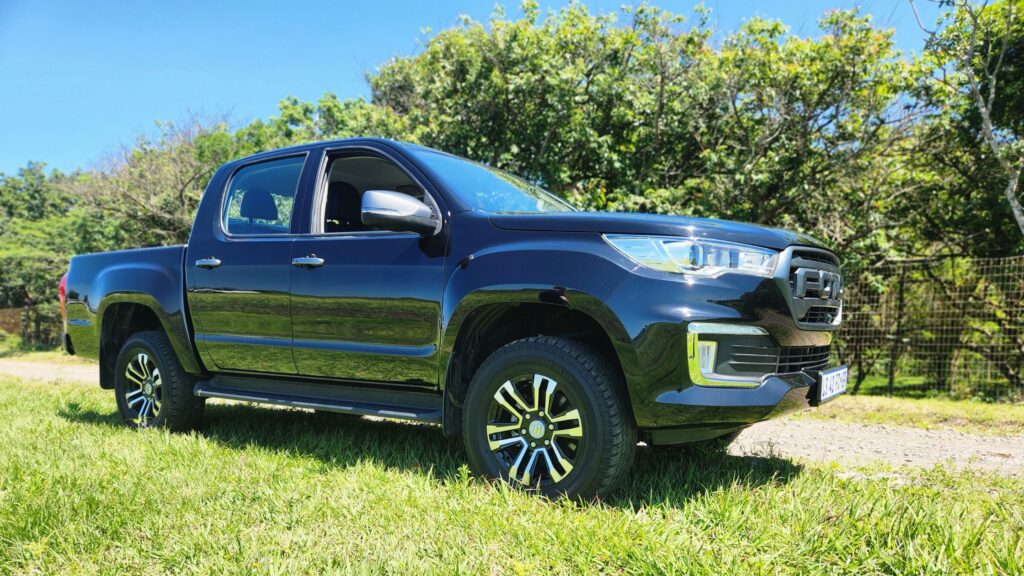
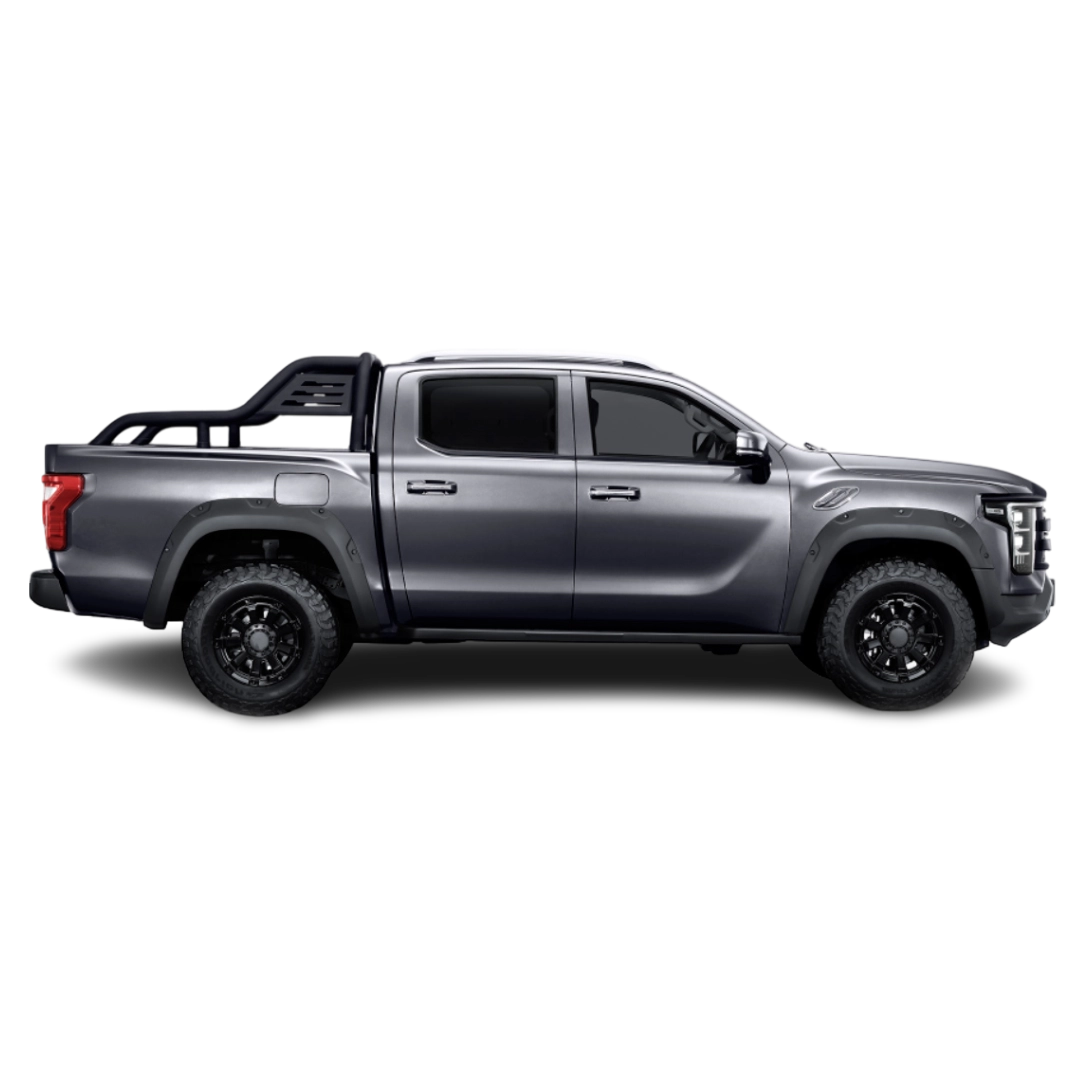
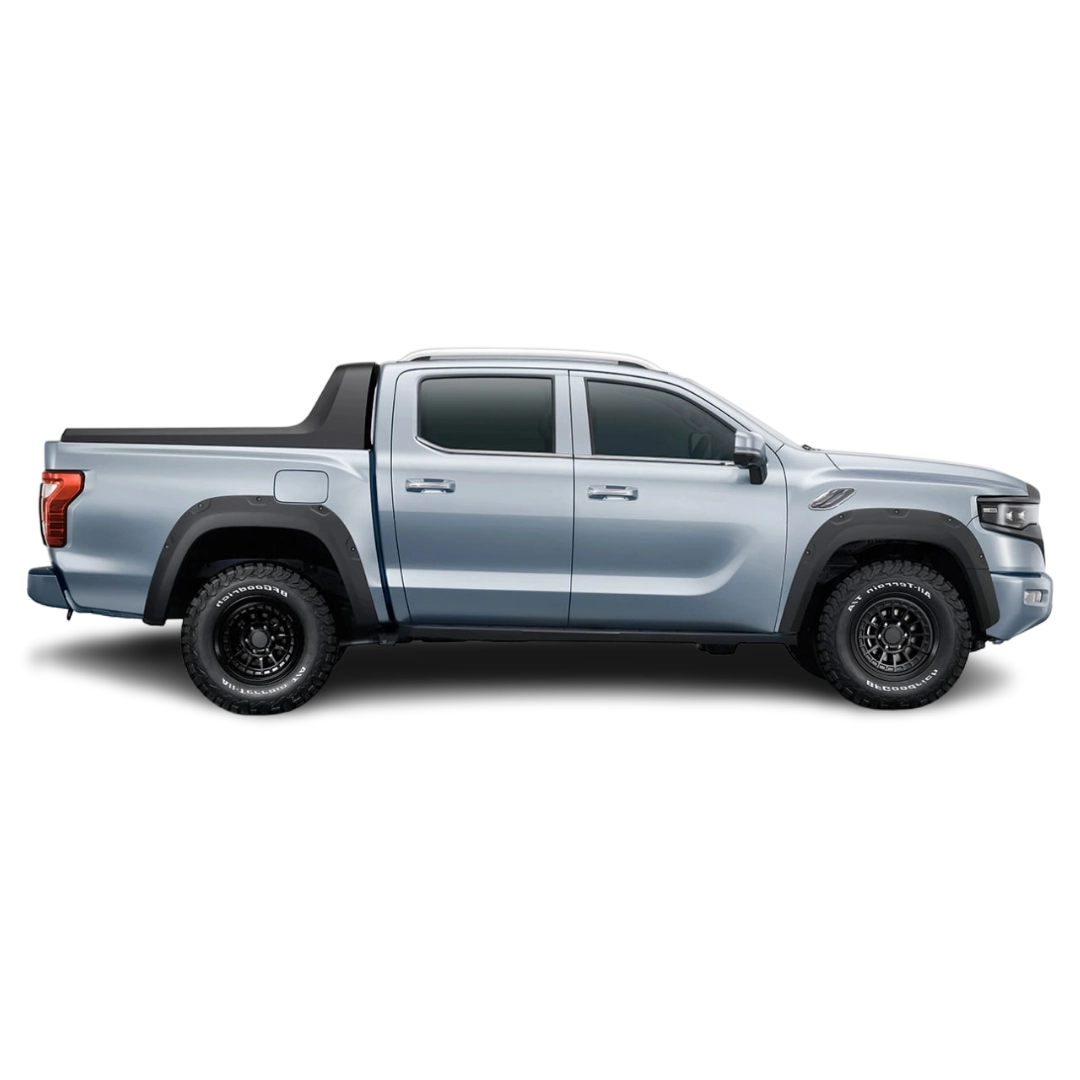
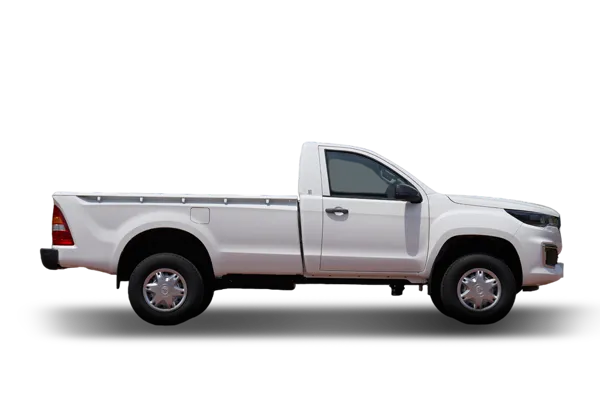
For buyers looking for an affordable double cab in South Africa, practical options are becoming increasingly attractive. The Foton Tunland G7 has been developed with exactly this type of customer in mind.
Designed to handle the demands of everyday work and family life, the Foton Tunland G7 combines capability, durability and comfort in a package that delivers genuine value.
Whether it’s transporting equipment to a job site, travelling long distances between clients or heading away for a weekend adventure, the Foton Tunland G7 provides the versatility that South African drivers expect from a modern double cab.
Most importantly, it focuses on the features that matter most: reliability, practicality, fuel efficiency and usability.
For many buyers, that balance is becoming more important than luxury badges or increasingly expensive specification lists.
Value Is Becoming the New Luxury
The South African automotive market is changing. While premium double cabs will always have their place, more consumers are beginning to evaluate vehicles based on how they fit into their daily lives rather than how many features they can offer.
The conversation is shifting from status to value, aspiration to practicality, or what a vehicle could do to what it will actually be used for.
For many South Africans, buying smarter is becoming more important than spending more.
The Verdict
The rise of the R1 million bakkie has transformed the market, but it has also encouraged buyers to rethink what they truly need from their vehicles.
For business owners, families and everyday motorists, the best double cab is not necessarily the most expensive one. It is the one that delivers the right combination of capability, affordability and long-term value.
As more buyers prioritise practical ownership over premium pricing, vehicles like the Foton Tunland G7 are becoming increasingly relevant in the South African market. Sometimes the smartest purchase is not the most expensive one; it’s the one that makes the most sense.