Why Hybrid is the Smart Next Step for South African Bakkie Buyers
Written by Foton South Africa
South African bakkie owners have always been practical people.
Whether you’re a farmer, business owner, contractor, outdoor enthusiast, or family adventurer, your vehicle needs to work hard. It needs to be capable, reliable, economical, and ready for anything from city traffic to gravel roads and long-distance travel.
As the automotive world moves towards electrification, many South Africans are asking the same question: what is the next logical step?
While fully electric vehicles continue to attract attention globally, hybrid technology is increasingly proving to be the most practical solution for South African conditions. It delivers many of the benefits of electrification without requiring drivers to change the way they travel, work, or explore.
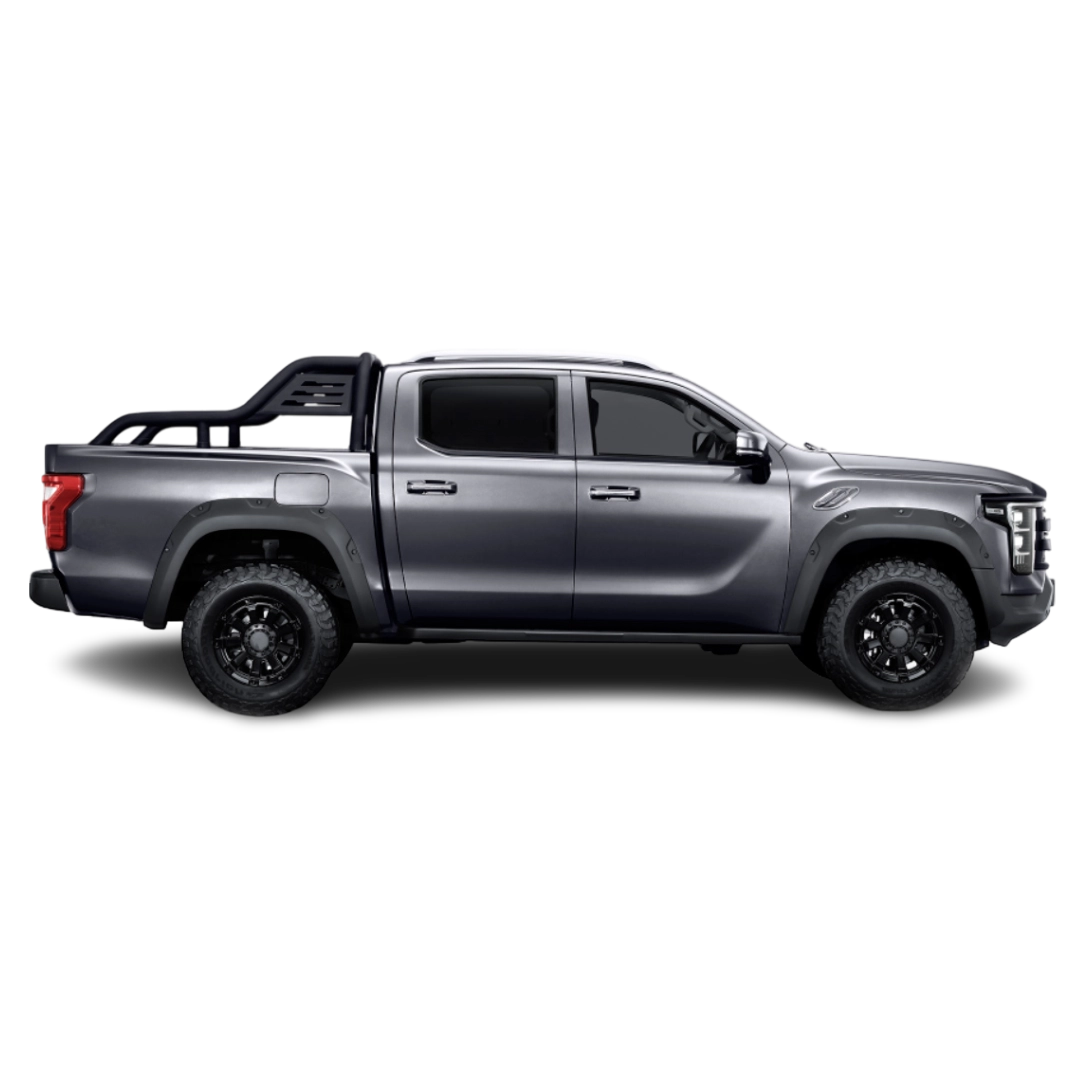
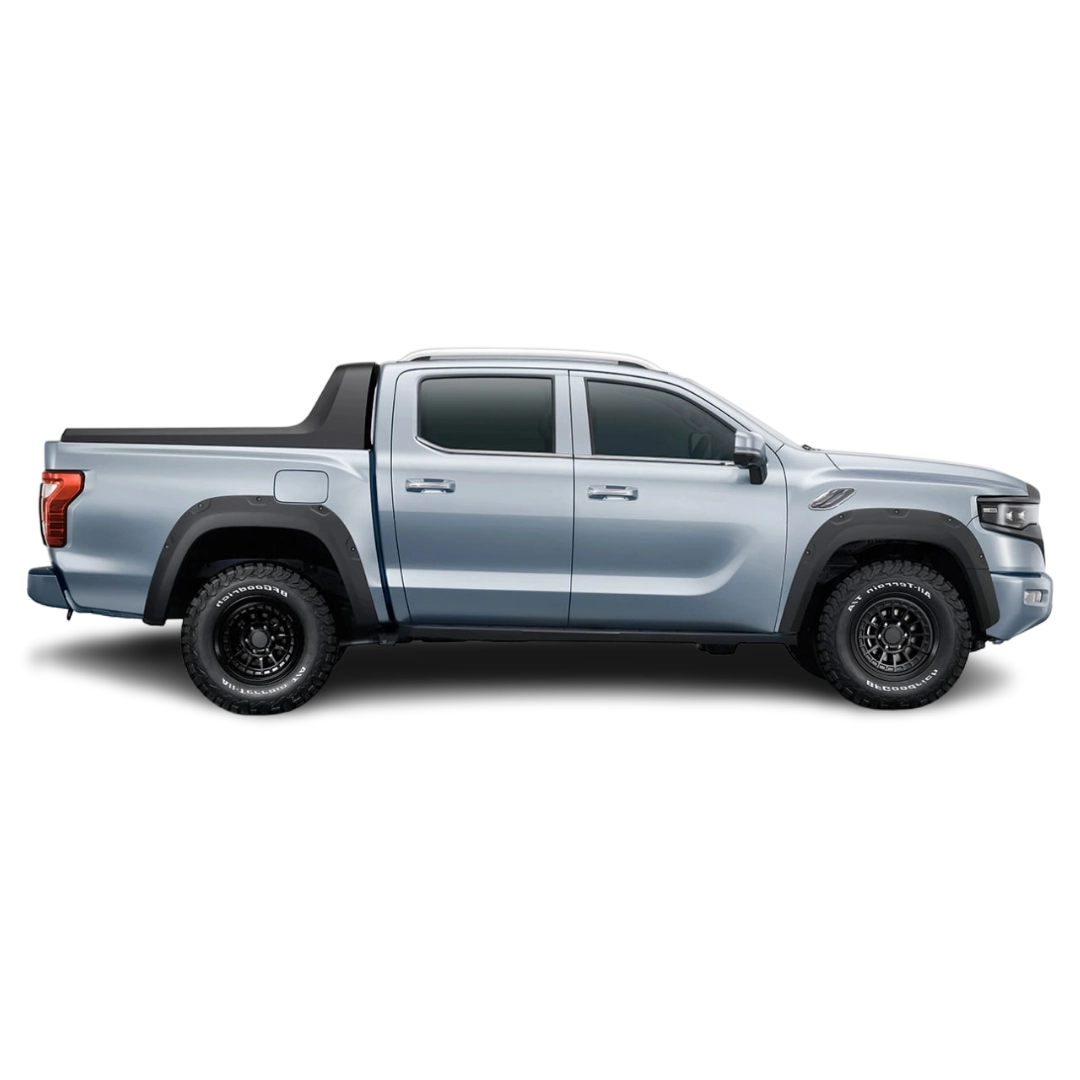
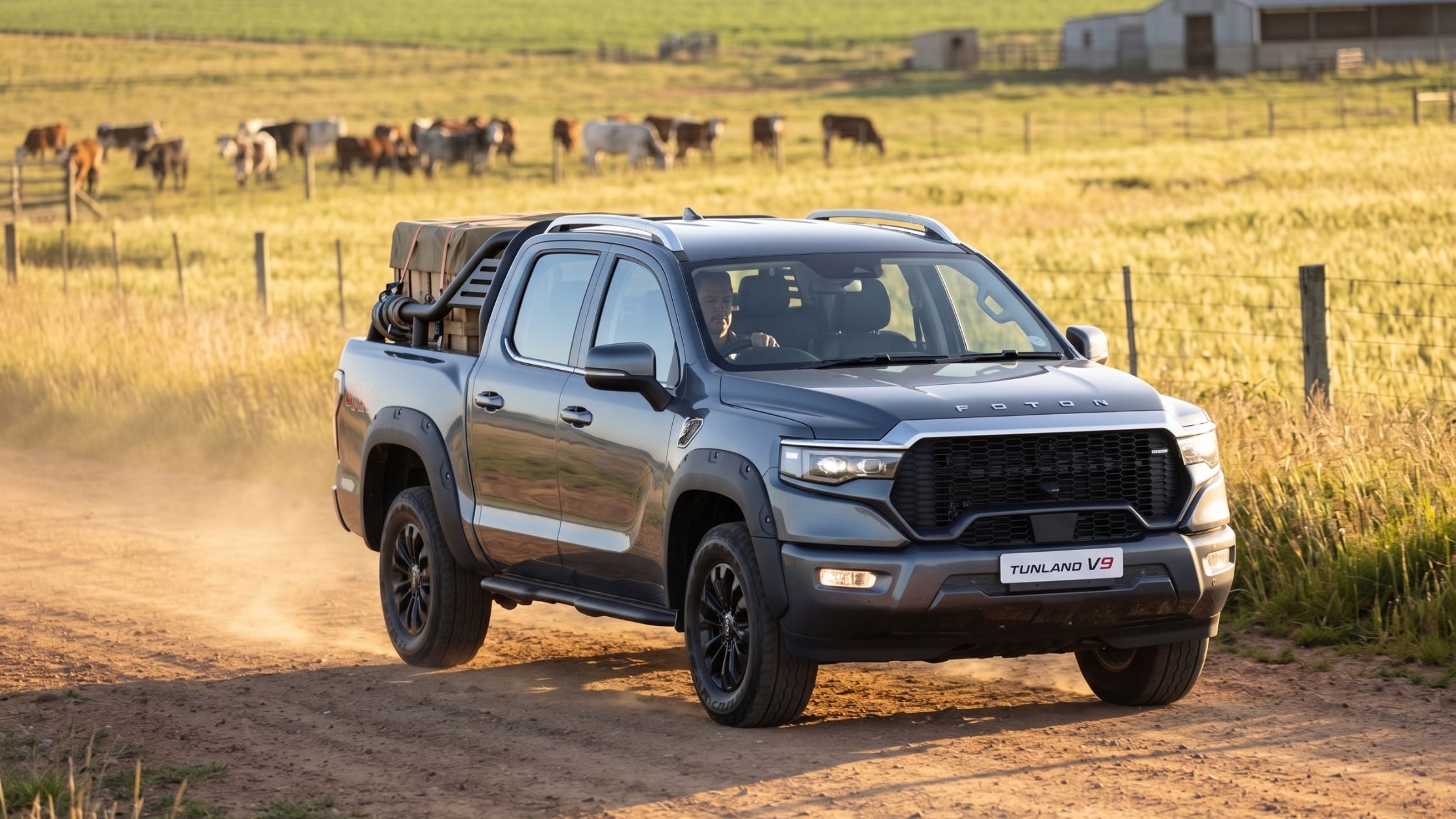
That is precisely why manufacturers are beginning to introduce hybrid technology into the bakkie segment, including vehicles such as the Foton Tunland V7 and V9.
The South African Reality
Electric vehicles undoubtedly represent part of the future, but South Africa presents unique challenges.
Long travel distances, rural destinations, varying road conditions, limited charging infrastructure in some areas, and the demands placed on working vehicles mean that many motorists are not yet ready to make the leap to fully electric mobility.
For most bakkie buyers, practicality remains the deciding factor.
The ability to refuel quickly, tow confidently, travel long distances, and operate in remote locations remains essential.
Hybrid technology bridges that gap.
It allows drivers to enjoy improved efficiency and modern technology while maintaining the flexibility and convenience that have made diesel-powered bakkies so popular.
What Exactly Is a Hybrid Bakkie?
A hybrid vehicle combines a traditional internal combustion engine with an electric motor and battery system.
In the case of the Foton Tunland V7 and Foton Tunland V9, the vehicles utilise a 2.0-litre AUCAN turbo-diesel engine paired with a 48-volt mild hybrid system.
Unlike a fully electric vehicle, there is no need to plug the vehicle into a charger. The system works automatically in the background, recovering energy during driving and using electric assistance to support the engine when required.
The result is a smarter and more efficient powertrain that improves performance while helping reduce fuel consumption.
For drivers, the experience feels familiar. You simply drive the vehicle as you always would.
Why Hybrid Makes Sense for Bakkie Buyers
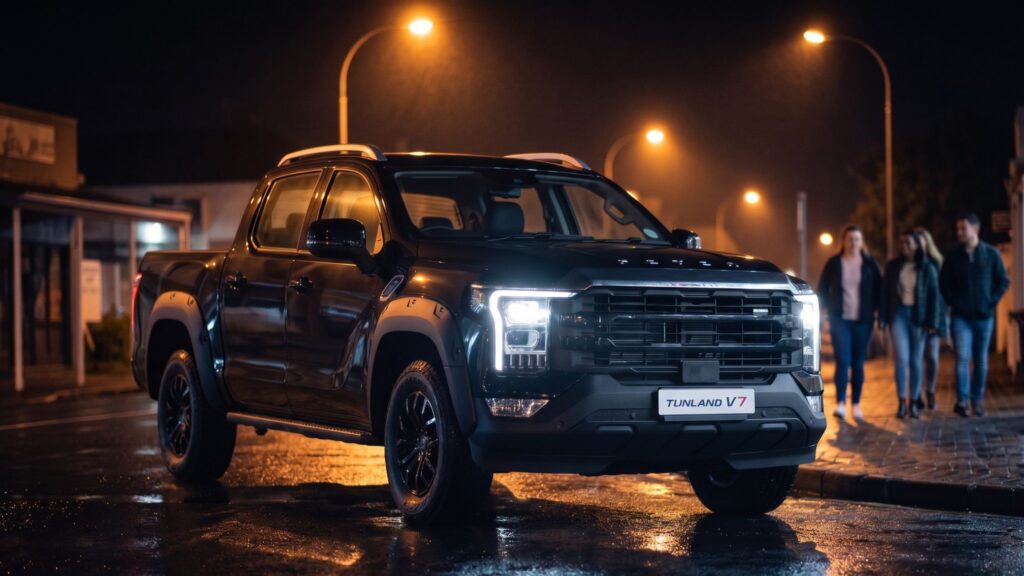
One of the biggest misconceptions about hybrid technology is that it focuses solely on environmental benefits.
In reality, most South African bakkie buyers are interested in something far more practical: saving money at the fuel pump without sacrificing capability.
With fuel prices continuing to fluctuate, efficiency has become an increasingly important consideration when purchasing a vehicle.
The mild hybrid technology found in the Foton Tunland V7 and Foton Tunland V9 helps support the diesel engine during acceleration and everyday driving, reducing the workload on the engine and improving overall efficiency.
The result is impressive fuel consumption figures for vehicles of this size and capability, with the Foton Tunland V7 and Foton Tunland V9 delivering approximately 7.8 litres per 100 km in combined driving conditions.
For drivers covering significant distances each month, these savings can quickly add up.
More Than Just Efficiency
Hybrid technology is not only about using less fuel.
Electric motors deliver instant torque, which can improve responsiveness when pulling away from a stop, overtaking slower traffic, or navigating challenging terrain.
This additional assistance helps create a smoother and more refined driving experience.
In the Foton Tunland V7 and Foton Tunland V9, the hybrid system works alongside a powertrain that includes an advanced 8-speed ZF automatic transmission and key components from globally recognised suppliers such as Cummins, BorgWarner and Bosch.
The result is a bakkie that feels modern, capable, and well-suited to the demands of both work and leisure.
Different Bakkies for Different Drivers
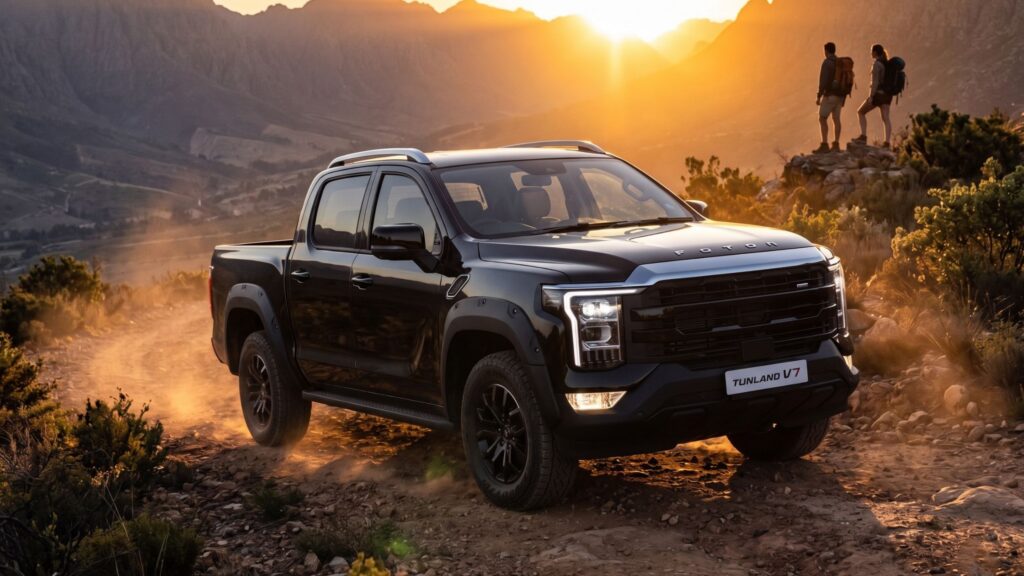
One of the advantages of the Tunland V Series is that buyers can choose a vehicle that best matches their lifestyle while still benefiting from hybrid technology.
The Foton Tunland V7 has been developed with toughness and practicality at its core. Its leaf-sprung rear suspension and durable load-carrying design make it particularly appealing to drivers who regularly carry cargo, tow equipment, or spend time in demanding working environments.
The Foton Tunland V9 takes a slightly different approach.
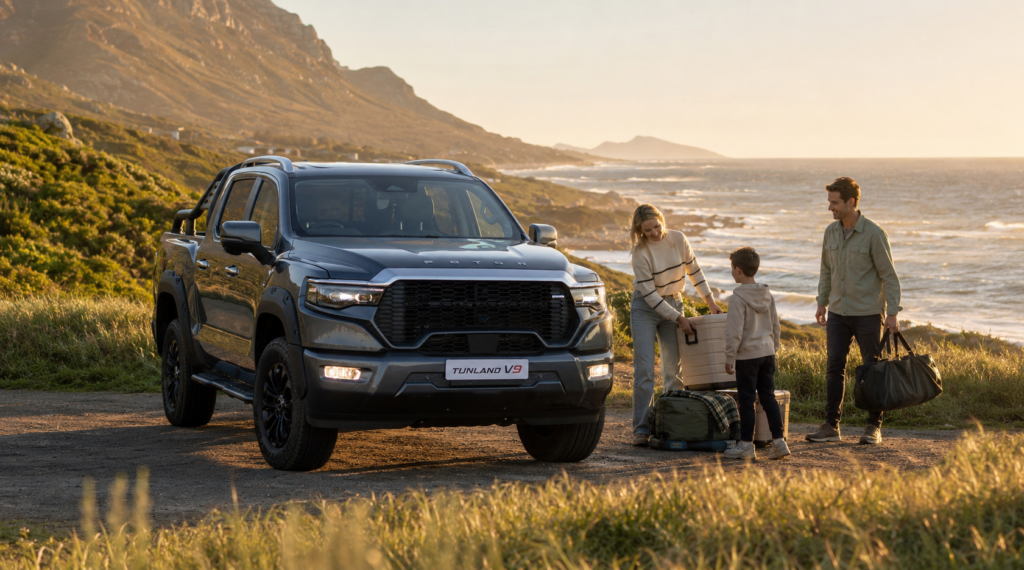
With its multi-link rear suspension, the Foton Tunland V9 prioritises ride comfort and refinement while retaining the capability expected from a modern double-cab bakkie. It is aimed at drivers who want a vehicle that is equally comfortable on long family road trips as it is on the job site.
Both vehicles demonstrate that hybrid technology can be integrated into different bakkie personalities without compromising capability.
The Best of Both Worlds
Many South Africans are interested in new technologies but remain cautious about making dramatic changes.
That is understandable.
The transition to new forms of mobility should not require consumers to compromise on practicality, reliability, or convenience.
Hybrid technology offers a balanced solution.
Drivers continue to enjoy the range and flexibility of a diesel-powered vehicle while benefiting from the efficiency and responsiveness that electric assistance provides.
It is a technology designed for today’s realities while preparing motorists for tomorrow’s possibilities.
A Practical Step Towards the Future
The future of mobility is unlikely to be defined by a single solution.
Instead, we are likely to see a mix of technologies serving different needs and different markets.
For South Africa’s bakkie segment, hybrid technology represents one of the most practical and accessible steps forward.
Vehicles such as the Foton Tunland V7 and Foton Tunland V9 demonstrate that drivers do not have to choose between innovation and practicality. They can have both.
By combining proven diesel performance with modern hybrid assistance, these vehicles offer a compelling glimpse into what the next generation of South African bakkies may look like – efficient, capable, comfortable, and ready for whatever the road ahead may bring.